
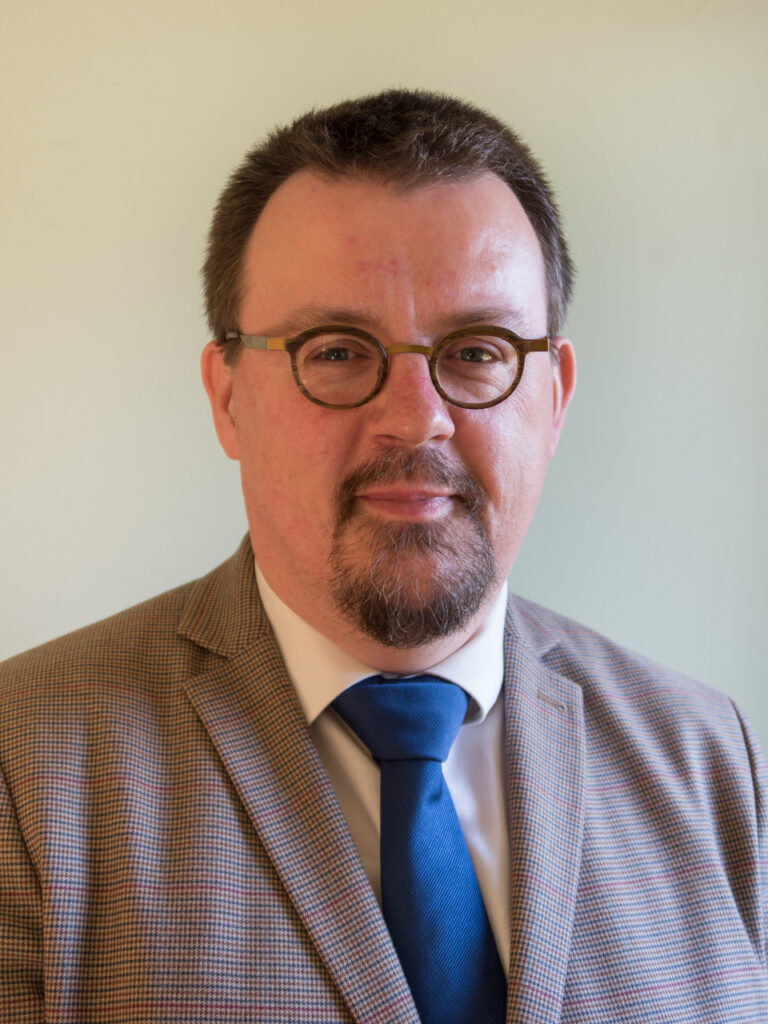
Cornelis J. Schilt received his DPhil in History of Science from the University of Oxford, where he was subsequently awarded a prestigious Junior Research Fellowship, tutored, and lectured. Originally trained as a physicist and IT-specialist, he teaches History and Philosophy of Knowledge, from Renaissance Humanism to the foundations of quantum mechanics and from Isaac Newton’s scholarly writings to the ethics of Artificial Intelligence. He is the Principal Investigator of the ERC-funded computational history project VERITRACE, where he leads a team of researchers investigating the influence of ancient wisdom writings and ideas on the development of natural philosophy from Copernicus to Newton (see veritrace.eu). He is the Founder and President of Lux Mundi.
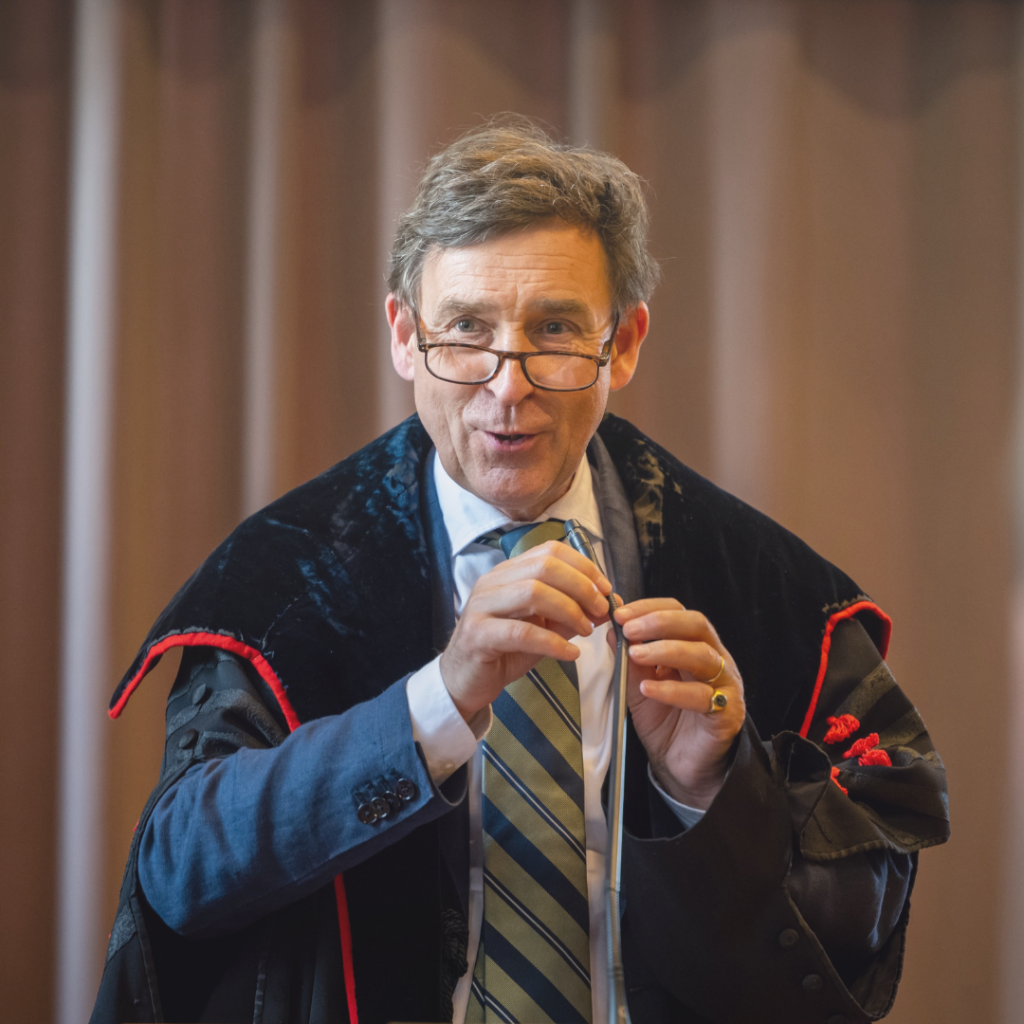
Matthias Storme retired in 2024 as full Professor of Commercial and Insolvency Law and Comparative Law at the KU Leuven, where he also taught Notarial Law and European Private Law and Legal Philosophy. He studied Greek-Latin humanities at the Jesuit Sint-Barbaracollege in Gent and both law and philosophy in Antwerpen, and obtained an M.A. in Philosophy from Yale University and a Ph.D. in Law from Leuven. He is a member of the Bar in Gent (Storme, Leroy, Van Parys) after having had practices law at the bar in Brussels and is or was board member of several governmental agencies and private socio-cultural associations.
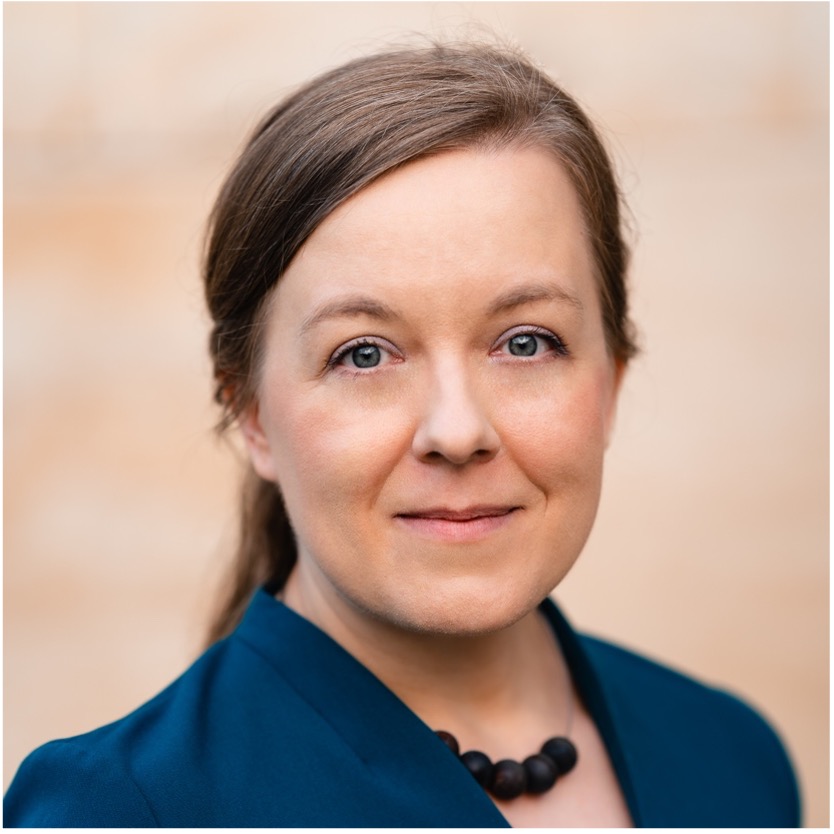
Monika Gabriela Bartoszewicz is Professor in Societal Security and Safety at UiT The Arctic University of Norway, where she leads the Risk, Crisis, and Societal Security research group. Her expertise lies in non-linear and cross-sectoral threats to security, particularly in the realms of political violence and securitized migration. Dr. Bartoszewicz earned her PhD from St Andrews University (UK), where her doctoral thesis investigated the potential terrorist threat from European converts to Islam. She has conducted interdisciplinary research across Scotland, England, The Netherlands, Denmark, Kosovo, and Poland, and has taught at universities in Poland, Scotland, Italy, and the Czech Republic. She is a European Commission Expert, Rapporteur & Evaluator of Horizon Europe projects, and an associate member of the Centre for Security Research in Edinburgh. Recently appointed as the Arctic Chair in Terrorism Studies, she publishes widely on security-related topics, contributing to knowledge depository on contemporary security challenges.
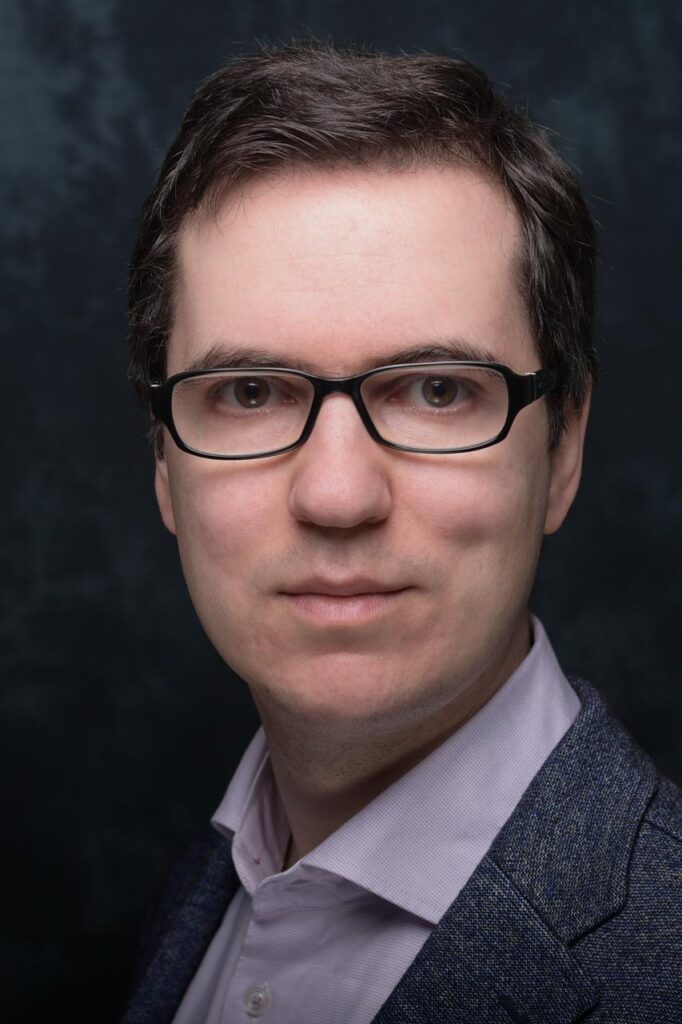
Maximilian Norz holds a degree in Public Policy from Harvard University and has over a decade of experience delivering data-driven solutions, improving processes, and designing organizational structures for public institutions and businesses. He has always been deeply committed to the Church, serving in his German home diocese, assisting bishops in India and South Sudan, and renewing his spiritual energy through stays in Cistercian monasteries.

Barbara Schabowska is an experienced manager in the creative and public sectors, with a strong understanding of finance, economics, and strategic communication. Her professional background spans cultural institutions (Adam Mickiewicz Institute, TVP Kultura), public broadcasting (Polish Radio), and international cooperation (public diplomacy and large-scale communication projects). She has a proven track record in managing international initiatives and designing communication strategies for public institutions (including cultural diplomacy and EU-funded programmes). She has extensive experience in media strategy project leadership across sectors, financial oversight, payroll, budgeting, and organisational coordination. She combines institutional insight with a solid grounding in economics and administrative processes. Her academic background includes a PhD in Social Sciences (Vistula University), an M.A. in Philosophy (University of Warsaw), an MBA (Warsaw University of Business), and postgraduate studies in Human Resource Management (Warsaw School of Economics).