
Cornelis J. Schilt, President of Lux Mundi
We live in interesting times. As innocuous as that sounds, in some Eastern cultures ‘may you live in interesting times’ amounts to a curse. There, a quiet, uneventful life is considered bliss, and, perhaps, understandable. Change means uncertainty, uncertainty means anxiety, and anxiety is not something to desire. But in this day and age we cannot prevent ‘interesting times’ to happen – they are a reality. From geopolitical shifts to a changing climate, from green agenda’s to stifling red-tape bureaucracy, and from the ever-swinging pendulum of economic depths and heights, the world is changing.
So, what will you do?
Or rather, to put the emphasis straight,
What will YOU do?
You may feel that this world is not exactly throwing lemons at you, but entire orchards. You’ve learned that the past was evil, you have lost years of the present due to Covid, and it appears there’s not much of a future seeing as you cannot afford a house – oh, and the planet is going to hell, that too.
So, what will YOU do?
The author, C.S. Lewis – of Narnia fame – wrote in The Abolition of Man of two ways in which we can respond to the world, and the role of education. The first is to demand of the world that it conforms to us. This, I believe, is what is at the heart of modern education. We are taught that the world is a really difficult place to navigate, and that this is the fault of the world. Therefore, because the world is at fault, we are fully warranted to demand of the world that it changes, to accommodate for each of us individually. That this invariably leads to conflict, should not concern us.
This promoted attitude comes as no surprise. After all, much of this world, and modern education in particular, is the result of two mutually incompatible value-systems: the Enlightenment’s insistence that everyone should be wholly free, to act as he or she desires, and the Romantic idea that we are all wholly equal. Mix in the concept of personal human rights, and conflict ensues.
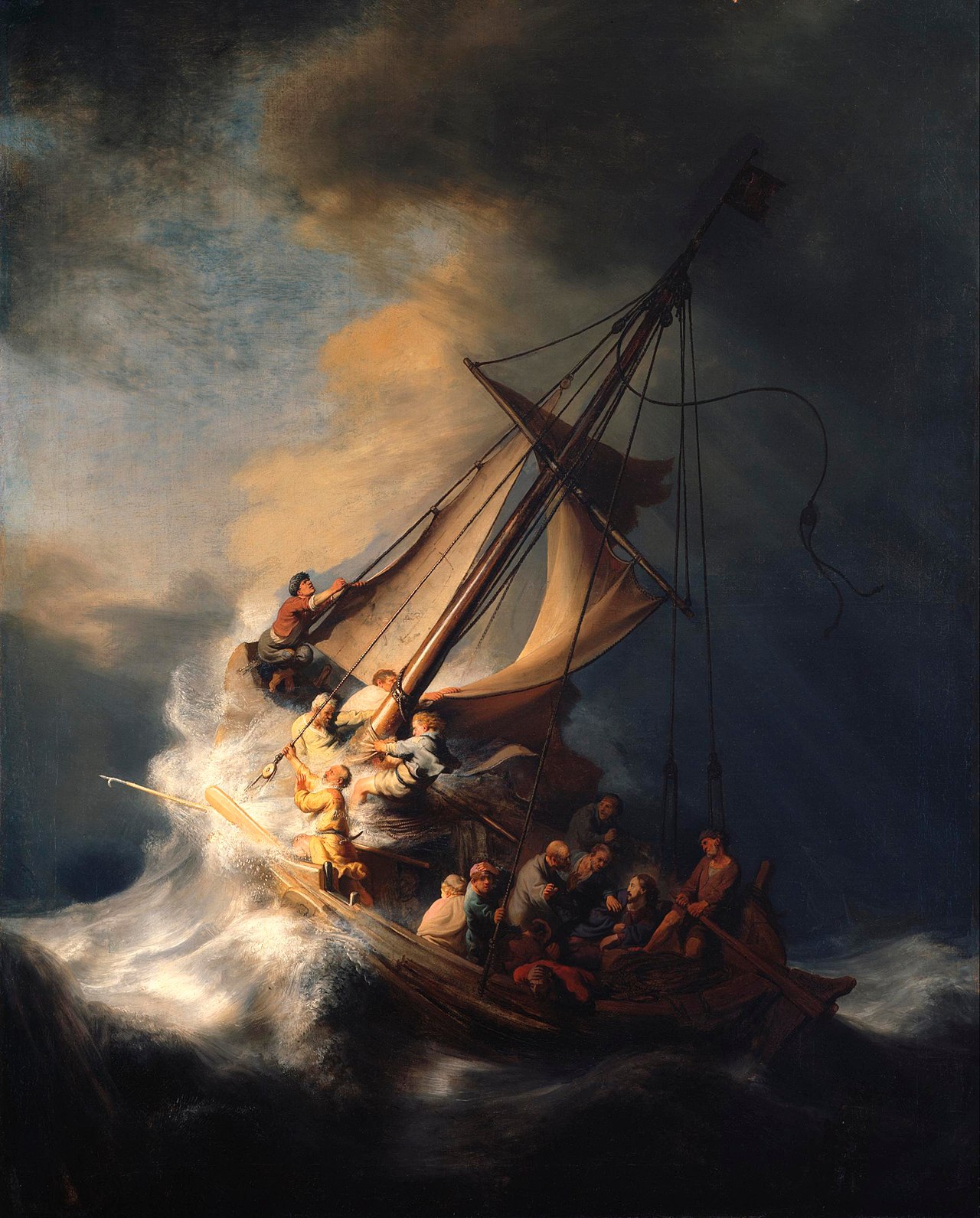
But there is another attitude, another way of responding to the world, also outlined by Lewis: we learn how to live in this world. It is not that we wholly conform to this world’s every whim – heavens no – but that we learn how to navigate this difficult ocean, full of twists and turmoil. We do this not by demanding that the world adjusts to us and our ever-changing moods and whims, but by equipping ourselves with all the tools necessary to sail our ship.
What are these tools? In essence, there is a but a single, multi-purpose instrument: you. You are the ultimate instrument, designed to live this life to its fullest. But as with every tool, you need to learn how to use it. It needs to be honed. In the case of every human being, it needs to be nurtured and developed. You need to learn how to use YOU. YOU need to be nurtured and developed. You need to be formed. This is what liberal education has always been: formative. By focusing on the classical and Christian virtues that have stood the test of time, and developing these virtues, YOU will become the ultimate instrument to ride the waves.
This is what Lux Mundi was designed for: to allow you to have higher education that focuses not on skills and knowledge primarily – plenty of that in our curriculum – but on YOU. Becoming a good human being, knowing right from wrong, knowing where you came from, what your purpose here on Earth is, and how to achieve that purpose.
Please get in touch with us if this is what YOU have been looking for, or YOU would like to support. YOU are Lux Mundi.